
Gishwati-Mukura National Park Rwanda is the most recent / newest Rwanda safari national park formed in 2015 by the Rwandan government creating a wildlife corridor situated in Rubuvu, Rutsiro, Ngororero and Nyabihu districts in western Rwanda.
This park was formed to combine Mukura and Gishwati forests creating a forested area that spreads from up in the north of the country near the popular gorilla safari Rwanda destination of Volcanoes National Park all the way to Nyungwe Forest National Park. The park has over 58 tree species including bamboo and indigenous hard wood
Gishwati forest covers an area of about 1439.72 hectares and Mukura forest covers 1987.74 hectares making a total surface area of 992.48 hectares (34sqkm). This was really a success conservation story for Rwanda since the Gishwati Forest once had a flourishing eco-system, extending all the way up to the Volcanoes National Park.
In the beautiful land of a thousand hills, Volcanoes National Park is situated in northwestern Rwanda in Musanze
Volcanoes Park sits within the Virunga Mountains and covers five out of the eight volcanoes that form the ranges and these are Mount Karisimbi, Mount Bisoke, Mount Muhabura, Mount Gahinga and Mount Sabyinyo.
The park covers an area of about 160 sq km (62 sq mi) of rainforest. Volcanoes Rwanda borders other parks and these are Mgahinga Gorilla National Park in Uganda and Virunga National Park in Congo. All of the three parks form the Virunga Mountains and are adjacent to each other.
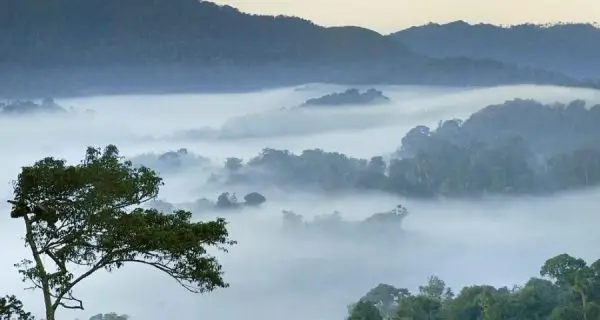
Following the 1994 Rwanda Genocide, many Rwandese who had fled the country later returned and encroached the forest to set up new farms and homes for their families. During these times, trees in the forest were felled, exotic species introduced and natural resources extracted, something that pushed the forest to hold species beyond its capacity and seeing its size shrink. Fortunately, in 2007 an American research facility stepped in with an aim of saving a small population of less than 20 chimpanzees who had by some means managed to survive in the forest. This was a success project that saw the forest flourish again.
Mukura forest on the other side had for over 60 years had a reserve status though its size had always reduced in size partly due to population pressures and illegal mining. With this conservation plan, the forest is being protected and regaining its beautiful status as habitat to wildlife.
Gishwati-Mukura National Park can be accessed by road with scenic views along the fairly good tarmacked road. 77.7km from Kigali city, the park can be accessed by a 4×4 safari vehicle. Its best recommendable to contact a Rwanda tour operator to make the transport arrangements. The park can be visited from other national parks or as a tailored trip from a Uganda safari or Congo safari since the park is adjacent to the border with the 2 countries. The underdeveloped Mukura sector is about 35km East of Karongi and can be reached along a dirt road.
If you choose to go on a self-drive safari to Rwanda’s Gishwati-Mukura Park, remember that in Rwanda driving is on the right-hand side.
Gishwati-Mukura Forest Park though recent compared to other Rwanda tour parks, its home to several wildlife species and these attractions offer chance for several safari activities. Here are the different attractions and activities at Gishwati-Mukura Park;
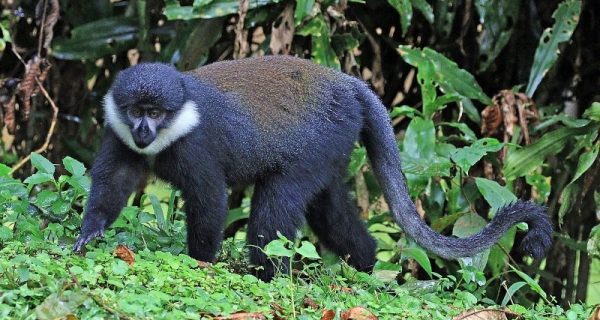
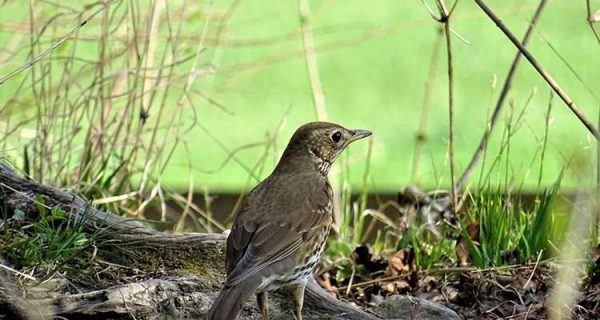
Within this stretch or wildlife corridor, there around 232 bird species in Gishwati forest and 163 bird species spotted in Mukura forest including the Albertine rift endemics some being the Rwenzori Turaco and the Red-throated Alethe. Gishwati-Mukura Park is indeed a good bird watching safari in Rwanda spot for seeing forest bird species. Being a small area gives it an advantage to birders since birds can be spotted in a small area coverage meaning favorable short safaris in Rwanda.
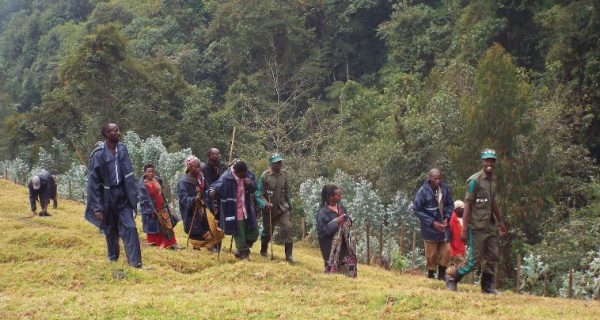
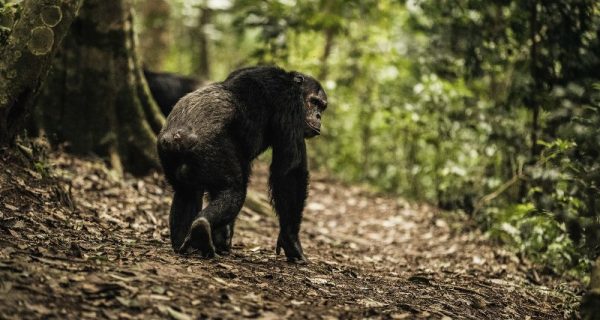
Gishwati-Mukura Forest Park had about 29 chimpanzees by the time it attracted the attention of an American research facility and since then the chimps have increased in number and thrived in this beautiful habitat. With the habituation process that has been done, there is chance for a Rwanda chimpanzee trekking safari as you trek the habituated chimpanzees within the park. They are made familiar to people and therefore are very safe to track with also the fact that they are man’s closest relatives sharing about 98.7% DNA with humans.
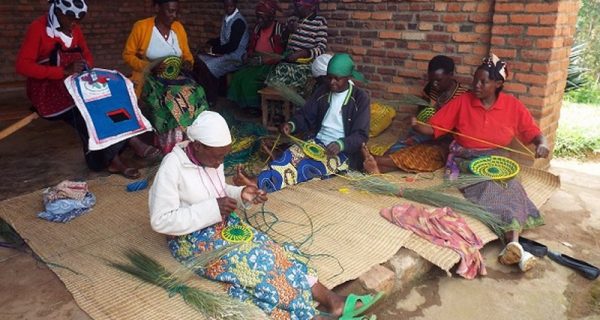
With the fact that the Gishwati-Mukura park area was occupied by the Rwandese after the Genocide, after gazetting the area people continued to live in harmony with wildlife. In a bid to preserve cultures alongside promoting Rwanda safaris, the government ensured activities in communities like entertainment through music, dance and drama just to share the culture of the Rwandese with tourists. Other community activities include a farm stay, making handcrafts, bee keeping, tea plantation tours and a chance to learn from traditional healers who use natural plants to support modern medicine. On a trip to Rwanda you can visit the communities and learn from their lifestyle, this is one of the family friendly activities to undertake.
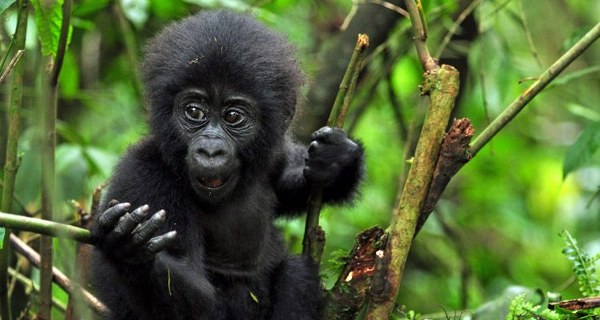
Mountain Gorilla trekking is majorly described as a lifetime experience, hosted within the Virunga massifs’ Volcanoes National Park, Rwanda gorilla trekking safaris are definitely the main draw card for any Rwanda tour.
Mountain Gorilla trekking is the most expensive of the Rwanda safari activities just because Rwanda is a high-end safari destination but also the popularity of the activity worldwide. It was in the bamboo covered slopes of Volcanoes National Park where the late Dian Fossey, a popular primatologist who gave her life to conserve Mountain Gorillas studied the behavior of the endangered species for 20 years.
Ever since then, a few privileged gorilla safari Rwanda tourists have the chance to trek Mountain Gorillas each day. 8 tourists trek a single gorilla family and spend a maximum of 1 hour in the presence of these gentle giants.
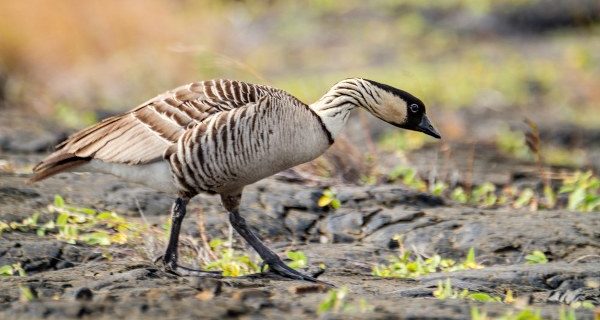
Due to the fact that gorilla trekking is the popular activity, birding is at times less undertaken in Volcanoes National Park. Some of the bird species seen while birding Volcanoes include the Baglafecht weaver, Bateleur, Blue-spotted wood dove, Cinnamon-chested bee-eater and the Red-backed shrike.
Birding is good year round however the best time to go birding in the park is during the dry season in the months of June to August and in December to February. November to April is when migratory birds can be seen in the park however this is the rainy season.
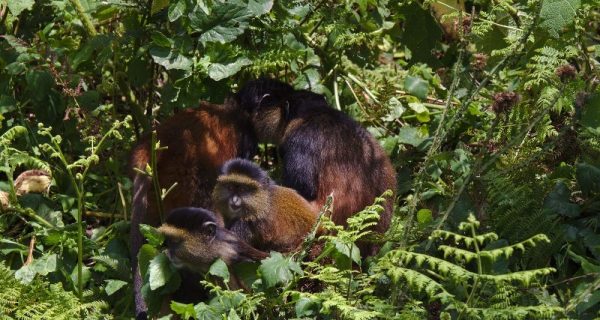
Golden monkey trekking is popularly undertaken by safari Rwanda tourists as a combined activity to Rwanda gorilla safaris since they co-exist with the gentle Mountain Gorillas. Golden monkeys move in groups comprising of around 80-100 members and in Volcanoes National Park, there are two habituated golden monkey groups.
So similar to Rwanda gorilla trekking tours, golden monkey trekking is carried out every day by 8:00am Rwanda local time and it lasts about 4 hours though spending only 1 hour in the presence of the golden monkeys.
Thanks to the bamboo forest, it is easy to find the golden monkeys because they mostly live at the bottom of the forest making it easy to trace them. With the less congested bamboo sticks, it is also easy to get good photos as long as a traveler has a lens to capture the beautiful monkeys since they leap so fast.
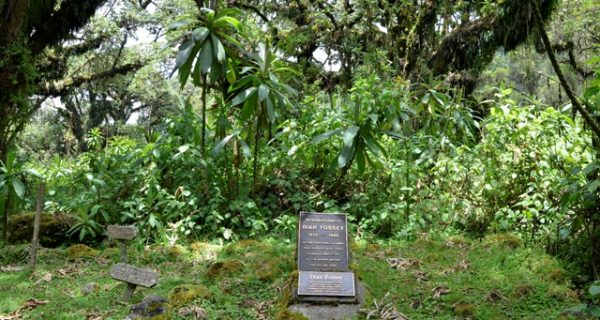
In the bid to conserve the rare mountain gorillas, the popular primatologist, Dian Fossey lost her life to poachers. Her body was later on buried in the park close to her favorite Gorilla. The hike to the Dian Fossey grave yard is worth doing as it is a learning experience.
The hike provides tourists with an in depth of knowledge about gorilla tourism in Rwanda as well as an American primatologist who sacrificed her life to save Mountain Gorillas. A hike to the graveyard is an appreciation and tribute visit.
Early morning, you have breakfast and then embark on the hike along a trail outside the park. On the hike you can easily spot several bird species. Where she was buried is her grave and those of other Mountain Gorillas that were killed by poachers.