
Maasai Mara National Reserve also known as Masai Mara Game Reserve is a large reserve situated south west of Kenya in the Narok County contiguous with East Africa Serengeti National Park.
This is one of Africa’s most diverse and spectacular eco systems named in honor of the Maasai people who were the ancestral inhabitants of this region. According to the Maasai local language, Mara refers to spotted therefore describing how the reserve is dotted with several trees. Known for its exceptional wildlife populations like that of lions, the wildebeest migration is a highlight for Kenya safaris tours to the reserve. Here is a guide on the background, location, attractions, activities, best time and accommodation facilities around the reserve to help travelers plan.
Situated in South Western Kenya, the Maasai Mara Game Reserve is within the Narok County covering 1,510 sq km (580 sq mi). The reserve is located in the northern most section of the Mara – Serengeti eco system. The reserve is bordered in the south by the Serengeti National Park, in the west by the Siria escarpment and in the north and east by the Masai pastoral ranches.
The reserve is mainly drained by the Talek and Mara Rivers with the terrain mostly covered by open grasslands and distinctive acacia tree in the south east. The reserve altitude ranges from 1,500 -2,180 m above sea level.
Being a top wildlife safari destination, the best time of the year to visit Masai Mara National Reserve is between the months of July – October. This is the best time for seeing the wildebeest migration as well as other wildlife species. In this time of the year, the wildebeest move from Serengeti National Park of East Africa to the Masai Mara area.
Getting to Masai Mara reserve can either be by air or road depending on what is convenient.
By road: From Nairobi, Kenya’s capital, the reserve is about 270km away on a drive of about 4-5 hours on a good surface road till Narok town. From Narok town, you take a dirt road till the Sekenani gate.
By air: A flight to the reserve may last about 40-45 minutes. Safarilink operates two daily flights to and from the Maasai Mara to any of the eight major airstrips in the reserve.
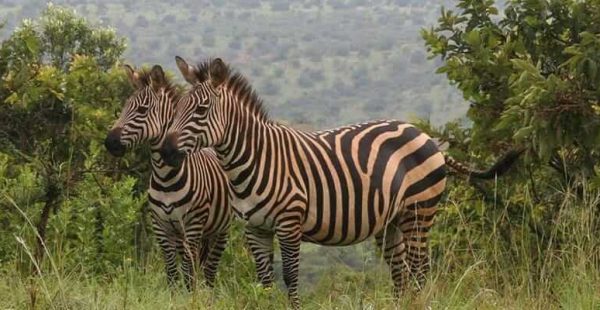
Well known as a Kenya wildlife safari destination, Masai Mara is home to the wildebeest in Kenya. The Great wildebeest migration in the Kenya sector occurs every year between July and September as the plains are dotted black by the over 1.5 million wildebeest, zebras and other antelopes migrating from the Serengeti in East Africa. This is the world’s largest roaming animal group and very amazing to sight.
Other wildlife species within the game reserve include the cheetah (fastest land animal), all of the big five game and these are the Buffaloes, Rhinos, Lions, Leopards and Elephants. More wildlife species include the Elands (world’s largest antelope), giraffe, impala, topi, gazelle, Coke’s hartebeest, warthog, hippos, Defassa waterbuck and many more.
The best way of seeing wildlife up close in Masai Mara game reserve is by undertaking a game drive through the plains. Game drives can either be done in the morning or in the afternoon, alongside a knowledgeable driver guide. Masai Mara Game Reserve does not allow night game drives and park rules and regulations must be followed.
Maasai people live just outside the Maasai Mara National Reserve in their local community that gained the reserve its name. The Maasai are semi-nomadic depending mainly on livestock including cattle, goats and sheep. They live in small settlements of about 8-15 people in houses protected by thorn bushes or fencing.
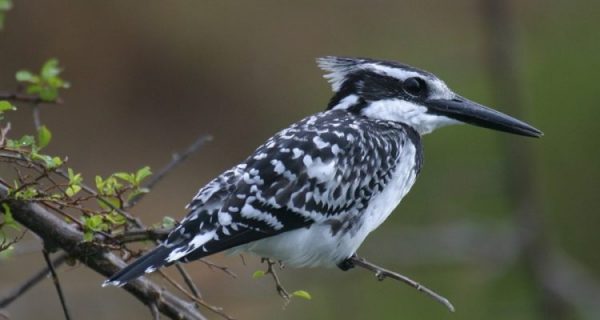
With about 500 bird species known to be within the boundaries of Masai Mara National Reserve, this is a great bird watching safari in Kenya destination. Some of the bird species seen in the park include the Superb Starlings, Lilac-breasted roller, Little bee-eater, Ostriches, Kori bustard, Southern ground hornbill, Denham’s bustard, Ross’s turaco, Schalow’s turaco, Grey Kestrel and many more.
Areas along the Talek and Mara Rivers are some of the important birding areas.
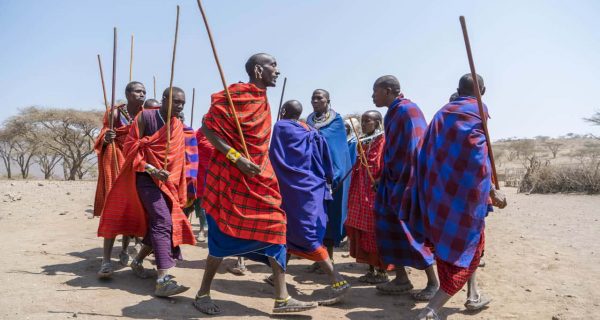
A visit to the Maasai Manyatta is a great experience as travelers visit the local community called the Mara Rianda which consists of 48 traditional houses surrounded by a cattle enclosure. In these Manyattas, you experience a very authentic and unchanged life of the traditional Maasai people.
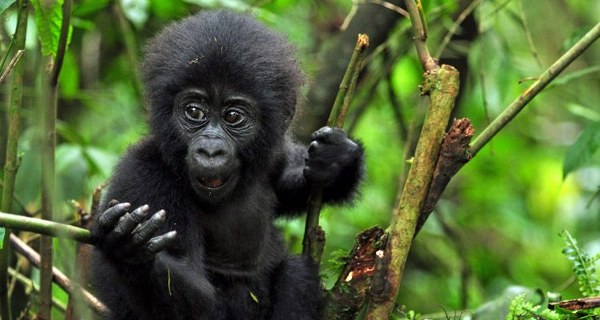
Mountain Gorilla trekking is majorly described as a lifetime experience, hosted within the Virunga massifs’ Volcanoes National Park, Rwanda gorilla trekking safaris are definitely the main draw card for any Rwanda tour.
Mountain Gorilla trekking is the most expensive of the Rwanda safari activities just because Rwanda is a high-end safari destination but also the popularity of the activity worldwide. It was in the bamboo covered slopes of Volcanoes National Park where the late Dian Fossey, a popular primatologist who gave her life to conserve Mountain Gorillas studied the behavior of the endangered species for 20 years.
Ever since then, a few privileged gorilla safari Rwanda tourists have the chance to trek Mountain Gorillas each day. 8 tourists trek a single gorilla family and spend a maximum of 1 hour in the presence of these gentle giants.
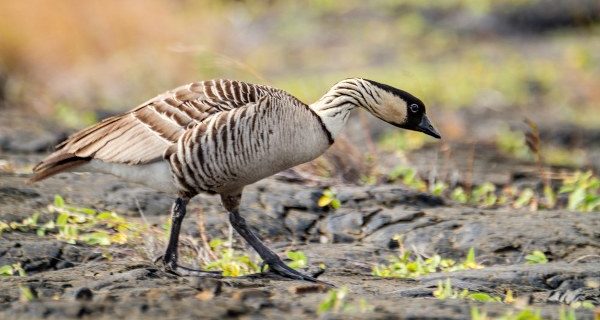
Due to the fact that gorilla trekking is the popular activity, birding is at times less undertaken in Volcanoes National Park. Some of the bird species seen while birding Volcanoes include the Baglafecht weaver, Bateleur, Blue-spotted wood dove, Cinnamon-chested bee-eater and the Red-backed shrike.
Birding is good year round however the best time to go birding in the park is during the dry season in the months of June to August and in December to February. November to April is when migratory birds can be seen in the park however this is the rainy season.
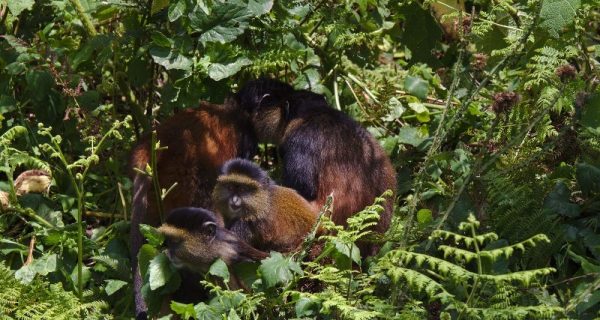
Golden monkey trekking is popularly undertaken by safari Rwanda tourists as a combined activity to Rwanda gorilla safaris since they co-exist with the gentle Mountain Gorillas. Golden monkeys move in groups comprising of around 80-100 members and in Volcanoes National Park, there are two habituated golden monkey groups.
So similar to Rwanda gorilla trekking tours, golden monkey trekking is carried out every day by 8:00am Rwanda local time and it lasts about 4 hours though spending only 1 hour in the presence of the golden monkeys.
Thanks to the bamboo forest, it is easy to find the golden monkeys because they mostly live at the bottom of the forest making it easy to trace them. With the less congested bamboo sticks, it is also easy to get good photos as long as a traveler has a lens to capture the beautiful monkeys since they leap so fast.
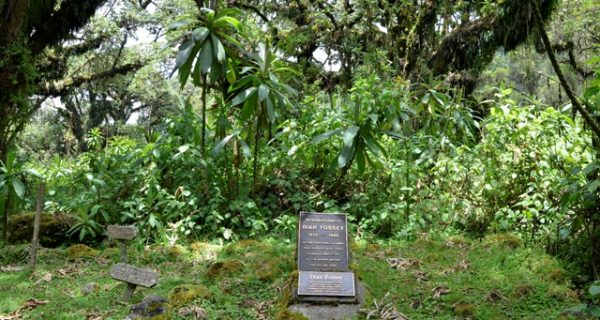
In the bid to conserve the rare mountain gorillas, the popular primatologist, Dian Fossey lost her life to poachers. Her body was later on buried in the park close to her favorite Gorilla. The hike to the Dian Fossey grave yard is worth doing as it is a learning experience.
The hike provides tourists with an in depth of knowledge about gorilla tourism in Rwanda as well as an American primatologist who sacrificed her life to save Mountain Gorillas. A hike to the graveyard is an appreciation and tribute visit.
Early morning, you have breakfast and then embark on the hike along a trail outside the park. On the hike you can easily spot several bird species. Where she was buried is her grave and those of other Mountain Gorillas that were killed by poachers.
For comfort and wonderful stays, Maasai Mara has several lodging facilities that travelers can relax and spend a night at. Here we give you a highlight of what the top picks just look like;
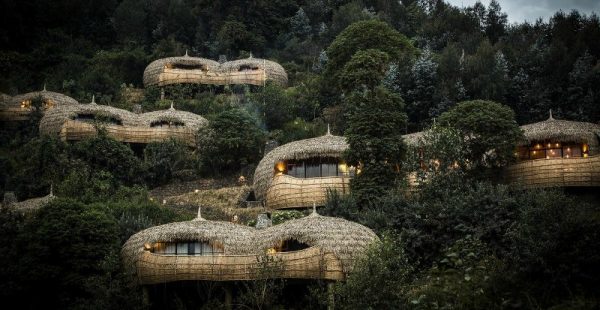
Mara Bush Camp is a mobile camp discretely “tucked away” in a riverine forest on the banks of the seasonal Olare Orok River. For travelers using air transport, the camp is just 1km from Ol Kiombo airstrip within the Maasai Mara heartland. Mara Bush Camp is small but offers personalized services whilst providing all of the amenities that make you feel at home. The camp has spacious tent verandas overlooking the hippos.
The luxury tents are equipped with a comfortable 4 poster bed (double/twin) with a mosquito net, en suite flushing toilet and sink in the bathroom with running water, hot bucket shower, clothes rack & storage chest, writing desk & veranda furniture, 1 liter of mineral water daily for brushing, towels & shampoo/conditioner and liquid wash soap.
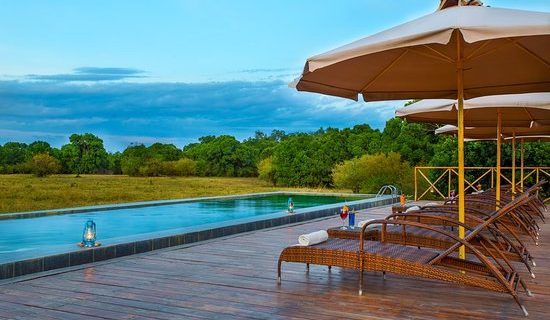
Loyk Mara Camp has a lot of different facilities to satisfy the demand of Guests who value the Sense of Privacy and Peace to make them fill comfortable in the Heart of the Wild Nature.
Beside the standard services and facilities such like full board accommodation and game drives in Masai Mara National Reserve the camp offers a large variety of activities for those who wish to learn more about themselves, test their strength, express themselves, get new Impressions and Impress their friends.
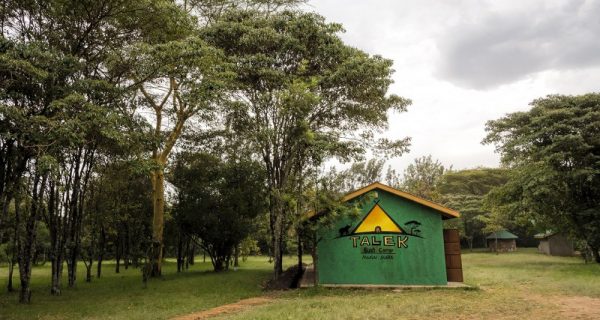
Talek Bush Camp is a tented camp inside Mara bushes! Located at Talek Gate, Masai Mara, one of the best locations for Safari game drives and very close to the animals great migration crossing points!
The camp is at a walking distance to Talek Village Shops & Markets.
Hippo Pool Viewpoint is 5 km from Talek bush camp, while Intrepid Mara Hippo Point is 13 km away. Talek Camp is only 15 minutes away from Olkiombo Airstrip in Masai Mara
The camp offers various sizes of double & single tents with many Off-tent bathrooms and shower rooms.
Guests can enjoy a variety of meals and drinks at the restaurant with a big dinning and recreation area.
On-location car parking is available, and we offer a secure campsite with 24/7 security.