
Welcome to Wild Jungle Trails safaris ideal guide on why any tourist should choose a Uganda safari while planning a trip to Africa. A Uganda holiday trip is such of a kind that offers an intrepid world traveler the best of what Africa has to offer confirmed by the slogan christened by Winston Churchill – the Pearl of Africa.
From the welcoming people to the rare and endemic wild species, Uganda has a perfect safari for everyone and here are perfect reasons why world travelers should visit Uganda;
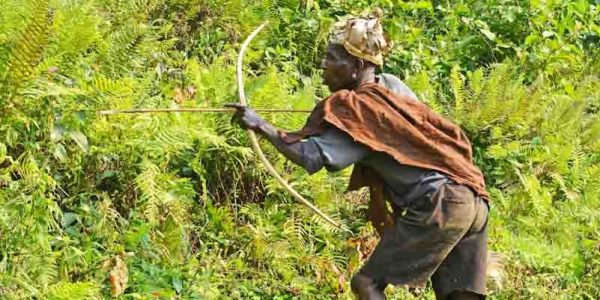
In accordance to 2019 population statistic estimates, Uganda has a population of about 45.71 million people. The people of Uganda re known to be the most hospitable in the African continent.
Within the boundaries of Uganda are 56 tribes distributed throughout the country and speaking different languages. Cultural safaris in Uganda are much rewarding in Uganda for the fact that the country is blessed with different cultures and traditions in many cases not similar to each other.
With no doubt, this is indeed a peaceful country and it is safe to travel to Uganda with the fact that with all of these tribes, everyone lives in harmony with the other.
The people of Uganda are welcoming no matter in which part of the country and make it comfortable for Uganda safari tourists to undertake any of their tour activities. In case a tourist is interested in understanding tribes in Africa, Uganda still offers a perfect opportunity with a lot to compare not leaving out the two almost smallest tribes in Africa which are the Batwa pygmies of south western Uganda and the Ik of North Eastern Uganda.
Crossed by the equator, Uganda is blessed to have a tropical climate. Uganda has a warm tropical climate with temperatures ranging from 25-260C (77-840F).
Uganda has little year-round fluctuation in temperatures throughout the country without any real winter or summer conditions making safaris to the country very convenient.
Uganda has 2 wet and dry seasons, from March to June and mid-September to November it’s the rainy season and July-September and December to February form the dry seasons. The hottest months of the year are January and February when the average day time range is about 24 – 330C (52-910F) with peaks of about 400C/1040F in the far northern parts of Uganda. The beauty with the climate of Uganda is that many of the season’s safaris can be undertaken. The dry season means the rains are less and the Uganda gorilla safari parks of Bwindi Impenetrable National Park and Mgahinga Gorilla National Park can easily have rain showers though with less expectations.
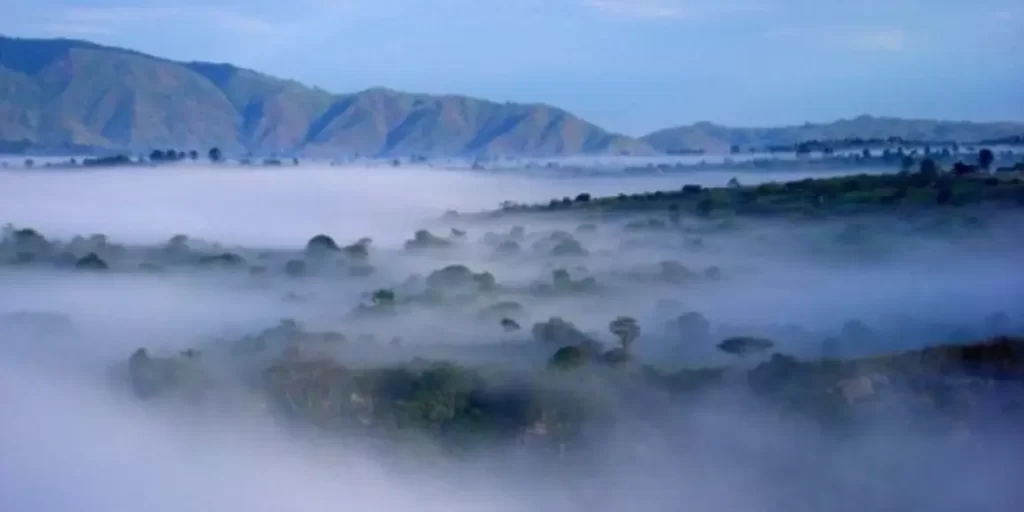
The best time to visit Uganda is definitely the dry seasons of between July and September and December to February, however, the Uganda safari parks of Murchison Falls National Park and Kidepo Valley National Park are best to visit all year round. With an all year-round warm temperature in both the northern and southern hemispheres of Uganda, there’s no better place to visit than where you can expect rain and sunshine even within the same hour.
With an estimate of almost half of the remaining Mountain Gorillas in the world, a Uganda gorilla trekking safari is the best way to see these elusive gentle giants. Mountain Gorillas are the only great apes facing population increase of recent and known to be existent in only three countries of the world. Uganda, Rwanda and Congo are the only countries with Mountain Gorillas but then with the biggest number, the Uganda Mountain Gorilla tracking experience is exceptional.
Mountain Gorillas can be trekked in Bwindi Impenetrable National Park or in Mgahinga Gorilla National Park both in south western Uganda blessing the Pearl of Africa as the only country in the world with 2 Mountain Gorilla tracking destinations. Each single day, over 100 tourists go for Uganda gorilla tours to the four gorilla trekking sectors of Bwindi Forest National Park and Mgahinga Gorilla National Park. With the latest gorilla family announced in April 2019 known as Rwigi gorilla family in the Rushaga gorilla trekking sector of Bwindi, Uganda has a total of 19 Mountain Gorilla families that are fully habituated and available for trekking.
With about 440 Mountain Gorillas known to be only in Bwindi Impenetrable National Par, the highest population is in Uganda offering over 98% chances of seeing a gorilla family on your trip. Mountain Gorilla trekking is embraced as one of the top Africa safari activities because of the way the activity is undertaken.
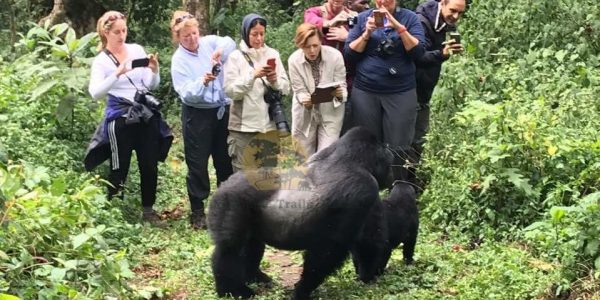
It involves hiking through a dense tropical forest and spending a full hour in the presence of these elusive species that share bout 98% DNA with humans.
Still about Mountain Gorillas in Uganda, its only in Bwindi Impenetrable National Park where gorilla trekking tourists can have the chance to go for Mountain Gorilla habituation. Mountain Gorilla habituation, is a process of making the gorillas get familiar to the presence of people.
For Mountain Gorilla habituation, tourists go to the jungle alongside gorilla doctors and researchers to spend about 4 hours studying the behavior of the Mountain Gorillas. It’s a priceless moment interacting with these human like species.
Chimpanzees are known to be man’s closest relatives sharing about 99% DNA with humans and yet declining in number in the wild. Today, they are estimated to be about 170,000 – 300,000 chimpanzees remaining in the wild and Uganda alone has more than 5000 chimpanzees in the wild.
Kibale Forest National Park alone has about 1,500 chimpanzees earning itself the slogan “primate capital of the world” since it’s the world’s single destination with that much of chimpanzees. Kibale Forest is the best Uganda chimpanzee trekking safari destination with the most interesting interactions.

Chimpanzees are the top primate safari in Uganda attraction for many tourists. They can also be trekked at other destinations like Budongo Forest adjacent to Murchison Falls National Park, Kyambura Gorge in Queen Elizabeth National Park, Kalinzu forest, Toro-Semliki wildlife reserve.For tourists with limited time or on short Uganda chimpanzee safaris, a visit to Ngamba Island Chimpanzee Sanctuary is the best option to interact with chimpanzees even on a 1 day tour in Uganda.
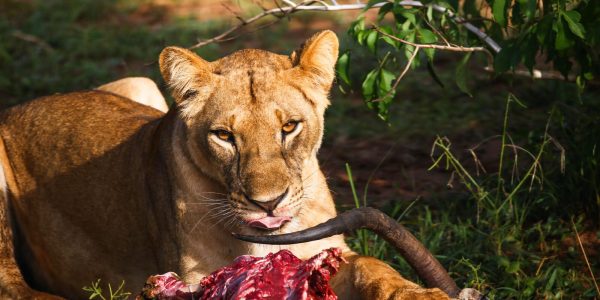
With no doubt Uganda wildlife tours are amazing with numerous wildlife species in the country’s national parks and game reserves. Uganda is actually a big five game destination these being the Buffaloes, Lions, Leopards, Rhinos and Elephants. Uganda is amazingly home to a mix of several wildlife species including mammals, primates and apes.
A highlight of the wildlife species that can be seen in Uganda include the Mountain Gorillas, chimpanzees, White Rhinos, Lions (tree climbing lions too), Leopards, Buffaloes, Ugandan Kobs, Hippopotami, Zebras, Elephants, Warthogs, Waterbucks. The Zebras, Cheetah, Giraffes are limited to specific Uganda tour parks of Lake Mburo National Park, Murchison Falls National Park and Kidepo Valley National Park. Uganda is a no ordinary safari destination with some destinations almost untouched and a tourist can easily run into are species or not known to be existent before during a wildlife game drive.
For avid birders, Uganda is a little paradise to spend time bird watching. Known as Africa’s premier birding destination the bird list in Uganda tops to about 1080 comprising of savannah, forest and water bird species. The sought after bird species in Uganda include the elusive shoebill stork, Grey Crowned Crane, Green Breasted Pitta and the 24 Albertine rift endemics.
According to what any Uganda bird watching safari tourist desires to have, Uganda has several bird species to be seen. Some of the bird species in Uganda include the Handsome Francolin, Shelley’s Crimsonwing, Great Blue Turaco, Marabou Stork, Standard-winged Nightjar, Black Breasted Barbet, Bar-tailed Trogon, African Spoonbill, Yellow-billed Oxpecker, Long Crested Eagle, Malachite Kingfisher, Black Bee-eater and many more.
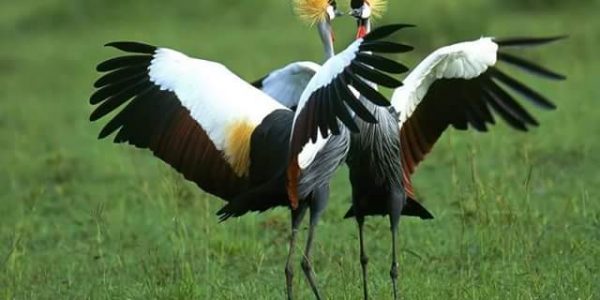
With a bird in each single kilometer of Uganda, those destinations concentrated with birds and best for Uganda birding safaris include Bwindi Impenetrable National Park, Mgahinga Gorilla National Park, Mabamba wetland, Queen Elizabeth National Park, Semuliki National Park, Kibale Forest National Park, Kidepo Valley National Park and Murchison Falls National Park. With our knowledgeable and experienced Uganda birding tour guides you will reach all the best spots and sight species of your interest.
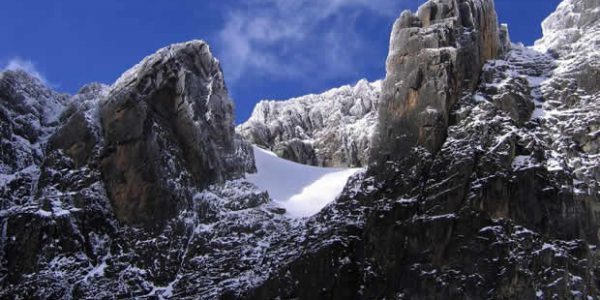
With varied landscapes, Uganda is a great hiking destination. Uganda mountain hiking safari are popularly undertaken at Rwenzori Mountains and on Mount Elgon in western and Eastern Uganda respectively. The Rwenzori mountain ranges are the highest in Africa with the highest peak at 5,109m above sea level a highest that offers such a memorable hiking challenge to travelers. Mount Elgon on the other side raises to 4,321m above sea level which is much lower and family friendly hiking destination.
However, these are not the only hiking destinations in Uganda with many more short hiking trip destinations. Hiking is said to be therapy and an active safari that will get a traveler refreshed and relaxed, just choose to hike the trails you can be able to have fun and complete.
Despite being a land locked country, Uganda is not in any way limited from great adventure safaris. Uganda’s water bodies cover about 234,040km2 (15.4%) total land area and these include rivers, lakes and swamps. There’s a lot to enjoy on a tour to Uganda when a tourist chooses to undertake water sport activities or enjoy the calm atmosphere along the beaches. Yes, many countries have water bodies but these are why a tourist should confidently choose Uganda for an adventure safari;
For centuries, the Nile River is known as the world’s longest river covering 6,650km (4,130mi) flowing north covering 11 countries with its source in Uganda. The Nile River is a great source of not only water for domestic use but a great Uganda tour destination. Jinja, a district in Eastern Uganda is known as the adventure capital of East Africa because of the much fun Uganda tourists have on visits to the source of the Nile River.
A holiday trip to the source of the Nile in Jinja offers several activities including the amazing white-water rafting, family floats, boat cruises. With the cool breeze of the Nile waters, Uganda birding safaris are also possible here with lots of beautiful bird species.

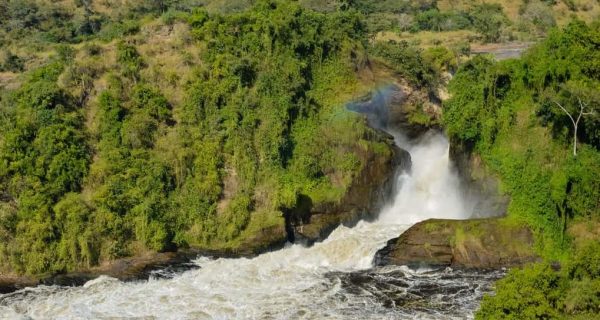
Murchison Falls is a water fall along the Nile River as it flows north popularly known as the world’s most powerful falls. Murchison Falls is formed as the Nile River squeezes its way through just a 7 meter (23ft) wide gap pouring its water 43 meters (142ft) below into what is known as the devil’s cauldron. Named by Sir Samuel Baker after Sir Rodrick Murchison the then president of the Royal Geographical society.
The mighty falls lends Murchison Falls National Park its name. Being such a powerful waterfalls, there several activities that can be undertaken at the Murchison Falls inclusive of which are Uganda wildlife safari boat cruises in search of hippos along the Nile banks, bird watching, leisure boat cruises and a hike to the beautiful top of the falls. Murchison Falls National Park being the oldest and still largest safari Uganda Park, it is a great destination for both short and long trips to Uganda all year round.
Known as the world’s largest tropical lake, covering a surface area of 59,947sq km (23,146sq mi), Lake Victoria is the source of the Nile River. Lake Victoria is the largest lake in Africa by area and also the second largest fresh water lake in the world. Shared by three countries of Uganda, Kenya and East Africa, Lake Victoria is not only the chief reservoir of the Nile River but a great place to relax along the beaches.
From the time tourists land in to Uganda, the cool breeze from Lake Victoria welcomes you to the country and can be enjoyed either while relaxing at the shores or at a close lodging facility.
The best Uganda tours on Lake Victoria include luxury sport fishing and a visit to the several archipelagoes of islands including the Ngamba Island Chimpanzee Sanctuary.
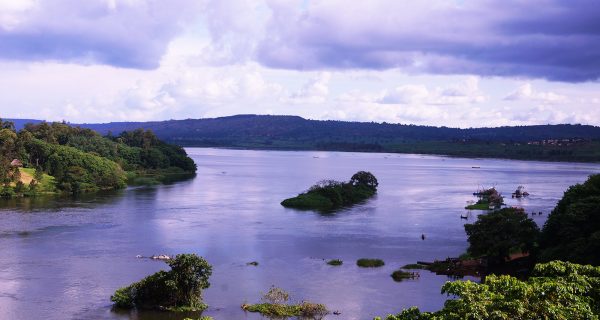
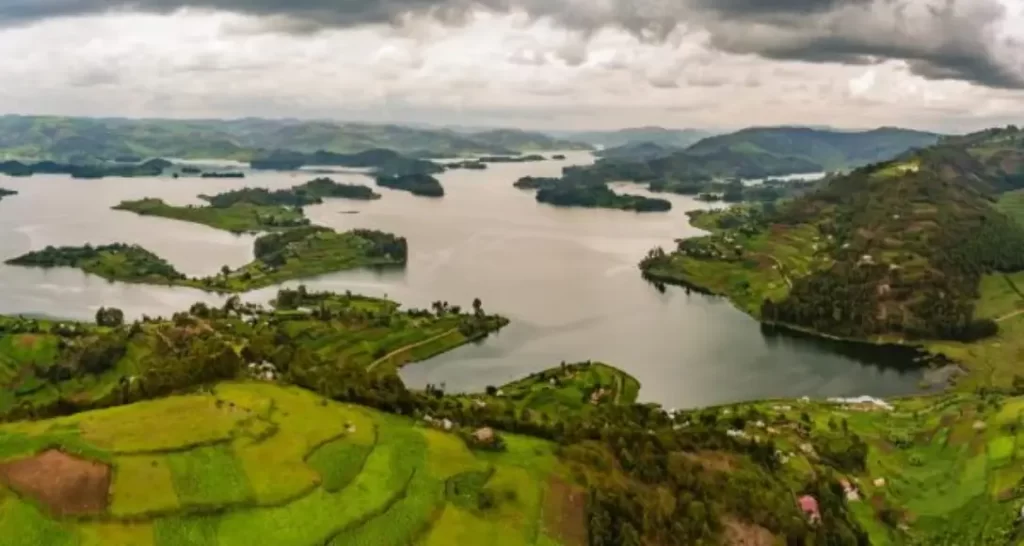
Sitting south west of Uganda, Lake Bunyonyi is Africa’s deepest bilharzia, crocs and hippo free lake. Also known as the lake of many little birds, of which it derived its name, lake Bunyonyi is a magical fairy tale island. The beautiful shore line of Lake Bunyonyi encircles 29 islands surrounded by terraced steep hill slopes where tourists can visit
With magical and scenic views, the lake has become a popular stop for tourists to relax and chill on safaris in Uganda especially those who choose to go gorilla trekking. With several bird species, scenic views magical mist risings and sunsets, Lake Bunyonyi is the best chill out during safari.
Uganda is an all year open Africa safari destination. Straddled by the equator, Uganda offers all kinds of traveler’s safaris within a very conducive tropical climate. The best time to visit Uganda is in the dry season when the rains are less, grass is shorter and photography is clearer. For when to visit Uganda, Wild Jungle Trails Safaris gives you a detailed insight on how the weather is like in each month of the year;
High/peak season: June-September (early booking is recommended)
Best months: June – September and December – February (rains are low)
Low season: March –May and October – November (rain totals are high)
| Months | January | February | March | April | May | June | July | August | September | October | November | December |
|---|---|---|---|---|---|---|---|---|---|---|---|---|
| Excellent | Excellent | Fair | Poor | Fair | Excellent | Excellent | Good | Good | Good | Fair | Good |
January is within the short dry season of Uganda and one of the best time to visit Uganda. In January the rains are less and a good time for Uganda gorilla trekking safaris, chimp tracking and bird watching tours.
Having low rains, the ground is dry and therefore walking along safari trails is easy as well as game viewing. For avid birders, by this time migratory birds are still present in the country and therefore bird watching tours at this time of the year so rewarding too.
Most of the safari lodges and hotels are becoming quieter in January after the December Christmas celebrations therefore more comfortable. However, being an excellent time for Uganda tours, accommodation prices could still be high by this time.
Excellent for safaris, in January, tourists can visit all of the 10 Uganda safari parks and other tour destinations; here is a highlight of where to go;
Bwindi Impenetrable National Park, Mgahinga Gorilla National Park, Kibale Forest National Park, Semuliki National Park, Mount Elgon National Park, Murchison Falls National Park, Lake Mburo National Park, Queen Elizabeth National Park, Rwenzori Mountains National Park, Kidepo Valley National Park
February is still a relatively dry month and a good time to go to Uganda. Since the rains haven’t returned yet, it’s a good time for gorilla trekking safaris to the high altitude parks of Bwindi Forest and Mgahinga Gorilla National Park. In February, primate treks, nature walks, bird watching safaris, water sport activities, chimpanzee trekking and much more can be undertaken. By the end of February, tourist numbers are reducing and probably accommodation facility prices lowered.
When you plan to tour Uganda at this time, remember that the temperatures will be a bit high and relaxation between safari activities is recommendable.
Bwindi Impenetrable National Park, Mgahinga Gorilla National Park, Kibale Forest National Park, Semuliki National Park, Mount Elgon National Park, Murchison Falls National Park, Lake Mburo National Park, Queen Elizabeth National Park, Rwenzori Mountains National Park. Kidepo Valley National Park
By the start of March, Uganda starts to receive rains as it is the start of the long rainy season throughout the country. By this time, rains are not too heavy and Uganda tours are undertaken just as usual. The average amount of precipitation is about 130mm.
By this time, travelers to Uganda have reduced and safaris give great game seeing opportunities as well as all kinds of safaris in Uganda. Lodges and hotels offer discounted prices and this makes traveling a little cheaper.
Uganda is in the tropical region therefore don’t expect extreme weather conditions that can keep tourists off limits.
Yes, by March the rains have started and you may be discouraged to safari Uganda, however, if it’s the only time you have ti visit the country, don’t hesitate to do so and visit these parks;
Bwindi Impenetrable National Park, Mgahinga Gorilla National Park, Kibale Forest National Park, Semuliki National Park, Mount Elgon National Park, Murchison Falls National Park, Lake Mburo National Park, Queen Elizabeth National Park, Rwenzori Mountains National Park
However, note that Uganda safaris are available year-round and each park and other safari destinations are open throughout the year.
By the month of April, rains are increasing and tourist numbers reducing too. During this time, the rain totals are increasing which makes safari destinations less accessible and safari activities less conducive.
The advantage with traveling to Uganda during this time is that the parks are less congested and accommodation facilities offer discounts to travelers. For budget travelers to Uganda, this is a wise time to safari Uganda at a cheaper price. Uganda is in the tropical region and therefore it can easily shine during your safari days.
Though April is within the rainy season, it doesn’t mean that parks are off limit and therefore a traveler can visit parks like;
Murchison Falls National Park, Lake Mburo National Park, Queen Elizabeth National Park, Kidepo Valley National Park
However, note that Uganda safaris are available year-round and each park and other safari destinations are open throughout the year.
The rains continue from the month of April to May making it a less favorable time for a Uganda safari. The rains greatly affect the trails and up country roads to the national parks. However, if you are not worried of the rains and would love to have an experience of a Ugandan safari then this time isn’t very bad since you can visit parks that are not heavily affected by rains.
The advantage of a safari to Uganda during this time is that tourists are few and therefore the park is all to the few travelers making game viewing more exciting. Accommodation facilities during this time are also cheaper as well as safari prices. For budget travelers then this is a good time to enjoy a non congested trip at a low price. However, the disadvantage with a wet season Uganda tour is the fact that the vegetation is lush making photography difficult, trails are hard to maneuver and some parks can be hard to reach.
Being a wet season some parks are not so favorable to visit but these can offer a very rewarding safari;Murchison Falls National Park, Lake Mburo National Park, Queen Elizabeth National Park, Kidepo Valley National Park
Uganda is an all year open Africa safari destination. Straddled by the equator, Uganda offers all kinds of traveler’s safaris within a very conducive tropical climate. The best time to visit Uganda is in the dry season when the rains are less, grass is shorter and photography is clearer. For when to visit Uganda, Wild Jungle Trails Safaris gives you a detailed insight on how the weather is like in each month of the year;
If you are planning to visit Uganda during this time make sure to make all bookings including gorilla trekking permits and accommodations early enough most probably during the rainy season to avoid last minute disappointments
The advantages with Uganda rather than any other Africa safari destination is that even during the peak season parks rarely get filled up with tourists and therefore you can still clearly view wild game and bird species. this is also the breeding season for birds and therefore ideal for a Uganda birding safari.
The advantages with Uganda rather than any other Africa safari destination is that even during the peak season parks rarely get filled up with tourists and therefore you can still clearly view wild game and bird species. this is also the breeding season for birds and therefore ideal for a Uganda birding safari.
With the warm temperatures July is known as one of the best months to visit Uganda. There’s minimal rainfall throughout the country with an average total precipitation of 46mm and therefore all Uganda safari destinations and activities are accessible.
July sees Uganda receive a huge total of tourists and by travelers planning a safari to Uganda should put in mind to plan all of their accommodation and activities early enough to avoid inconveniences. With the less rains, Mountain Gorilla tracking and chimpanzee trekking becomes easy with the less slippery trails and warm temperatures for a lively trek.
For gorilla trekking, chimpanzee tracking and bird watching safaris, this is the best time to enjoy a memorable safari even customized with a safari to Rwanda or Congo. These are the top destinations to visit in July.
Murchison Falls National Park, Kidepo Valley National Park, Kibale Forest National Park, Bwindi Impenetrable National Park, Mgahinga Gorilla National Park, Semuliki National Park, Mount Elgon National Park, Lake Mburo National Park, Queen Elizabeth National Park, Rwenzori Mountains National Park
August is a really fantastic month for Uganda safaris since it’s just within the long dry season. During this time it is easier to spot several wild game, track mountain gorillas, trek chimps, sight birds and undertake any kind of tours in Uganda. Visiting Uganda in August is a best time since all of the country’s parks and other safari destinations are at their best.
The advantage of visiting Uganda in this month is the fact that, wildlife is easy to spot, photography is clear and parks accessible. However, this is the peak season for safaris to Uganda and therefore early booking is recommendable for all activities and permits.
Excellent for safaris, in August, tourists can visit all of the 10 Uganda safari parks and other tour destinations; here is a highlight of where to go;
Bwindi Impenetrable National Park, Mgahinga Gorilla National Park, Kibale Forest National Park, Semuliki National Park, Mount Elgon National Park, Murchison Falls National Park, Lake Mburo National Park, Queen Elizabeth National Park, Rwenzori Mountains National Park, Kidepo Valley National Park
September is known as the start of the second dry season in Uganda (short) with few downpours during the month. Depending on when the rains returns, September can experience light rains with an average of almost 91mm or even continue with warm temperatures. All of the parks continue with activities as normal including Gorilla Trekking Safaris.
Thanks to the equatorial climate by September Uganda safaris can be undertaken in any of the safari parks. By this time the waterholes still have water and wildlife comes around to quench their thirst, making it a convenient time to view wild game.
With the return of the rains in the short rainy season, these parks are convenient to visit;
Murchison Falls National Park, Kidepo Valley National Park, Bwindi Impenetrable National Park, Mgahinga Gorilla National Park, Semuliki National Park, Queen Elizabeth National Park, Lake Mburo National Park
October is the start of the shoulder season so prices will be lower and lodge availability will start to free up. This does of course mean weather will be more unpredictable, but despite rain, temperatures are likely to remain warm. Most of Uganda’s parks will be accessible at this time they just won’t be at their best. The climate at Murchison Falls is steady year round so a visit to see the Nile and the impressive falls is a great add on to an October safari.
Murchison Falls National Park, Kidepo Valley National Park, Kibale Forest National Park, Bwindi Impenetrable National Park, Mgahinga Gorilla National Park, Semuliki National Park, Mount Elgon National Park, Lake Mburo National Park
By November the rains are really decreasing and yes, the amazing safari time is here. By this time tourist have already started flocking the country. With the less rains, many of the Uganda Safari Parks are at their best and this is one of the perfect times for mountain Gorilla tracking and chimpanzee trekking safaris to any destination in the country. Birding safaris in Uganda at this time are also possible in all of the best destinations in the country.
Bwindi Impenetrable National Park, Mgahinga Gorilla National Park, Kibale Forest National Park, Semuliki National Park, Mount Elgon National Park, Kidepo Valley National Park, Murchison Falls National Park, Lake Mburo National Park, Queen Elizabeth National Park, Rwenzori Mountains National Park
December is the peak safari season for the short dry season in Uganda. In December, the rains are low and the temperatures are hotter making it more favorable to undertake any kind of safari in Uganda. Be it gorilla tracking, chimp tracking, birding watching or any kind of adventure safari. Undertaking a Uganda safari in December is so ideal because in this month the ground is drier and walking safaris including gorilla trekking are more comfortable.
If you plan to safari Uganda at this time, ensure to make all bookings for accommodation and activities early since at this time most of the parks have many tourists and accommodation facilities can be fully booked months before the trip.
Bwindi Impenetrable National Park, Mgahinga Gorilla National Park, Kibale Forest National Par, Semuliki National Park, Mount Elgon National Park, Kidepo Valley National Park, Murchison Falls National Park, Lake Mburo National Park, Queen Elizabeth National Park, Rwenzori Mountains National Park
Neighboring countries like Rwanda and Congo do also experience short dry seasons at almost the same time therefore a good time to combine a safari in Uganda with a Rwanda safari or Congo safari.